Water when you wake
Before coffee, before the phone. One glass, no routine to build around it.
Wellness habits library
This library collects short, practical habit ideas you can browse by goal, by how much time you have, and by how much energy you have today. Some take two minutes. Some are weekly. None require equipment or a purchase.
Pick the smallest habit that fits your day rather than the most ambitious one on the page. The library is browsable in any order — every card tells you plainly how long it takes and who it suits.
Maintained by the editorial team in Malta
Goals help you filter fast. Choosing one narrows the library so you are not reading forty habits when you need two.
Steadier energy
A glass of water soon after waking, protein at breakfast instead of only toast or cereal, and a ten-minute walk after eating. These three work together better than any single one of them.
Better sleep
Start with one fixed wake time — the same on Saturday as on Tuesday — and a twenty-minute wind-down that does not involve a screen. Caffeine before noon and a cooler, darker room are the usual next steps.
More focus
Focus is usually about what you remove from the room. A phone in another room, a working block with a clear end, and the next single task written down before you stop.
Not every good habit needs thirty minutes. Matching a habit to your actual free time is how it survives a busy week.
Under five minutes
A glass of water on waking, a two-minute breathing reset before a meeting, standing up and stretching between tasks.
Fits anywhere
Under twenty minutes
A brisk walk around the block, a short mobility sequence, laying out tomorrow's lunch so the morning is calmer.
Most days
Under an hour
A strength session, batch cooking for two or three days, or a longer walk with someone else along for the company.
Planned days
Three more habit ideas in the same shape appear further down, grouped by energy level.
Sorting by energy stops you from failing at a plan you designed for your best day while living through an average one. On a low day, the useful habits are small and gentle. On a higher-energy day, that is when strength work, batch cooking or a longer session fits.
Low-energy days
Daylight, water, a slow walk, an earlier night. Nothing that asks you to think hard or move fast.
Higher-energy days
Strength sessions, batch cooking, a longer walk or a full wind-down routine done properly. Use the day you actually have.
If you are not sure where you fall, the two-minute habits below are the safest starting point. They cost almost nothing and they tell you something honest about the rest of your day.
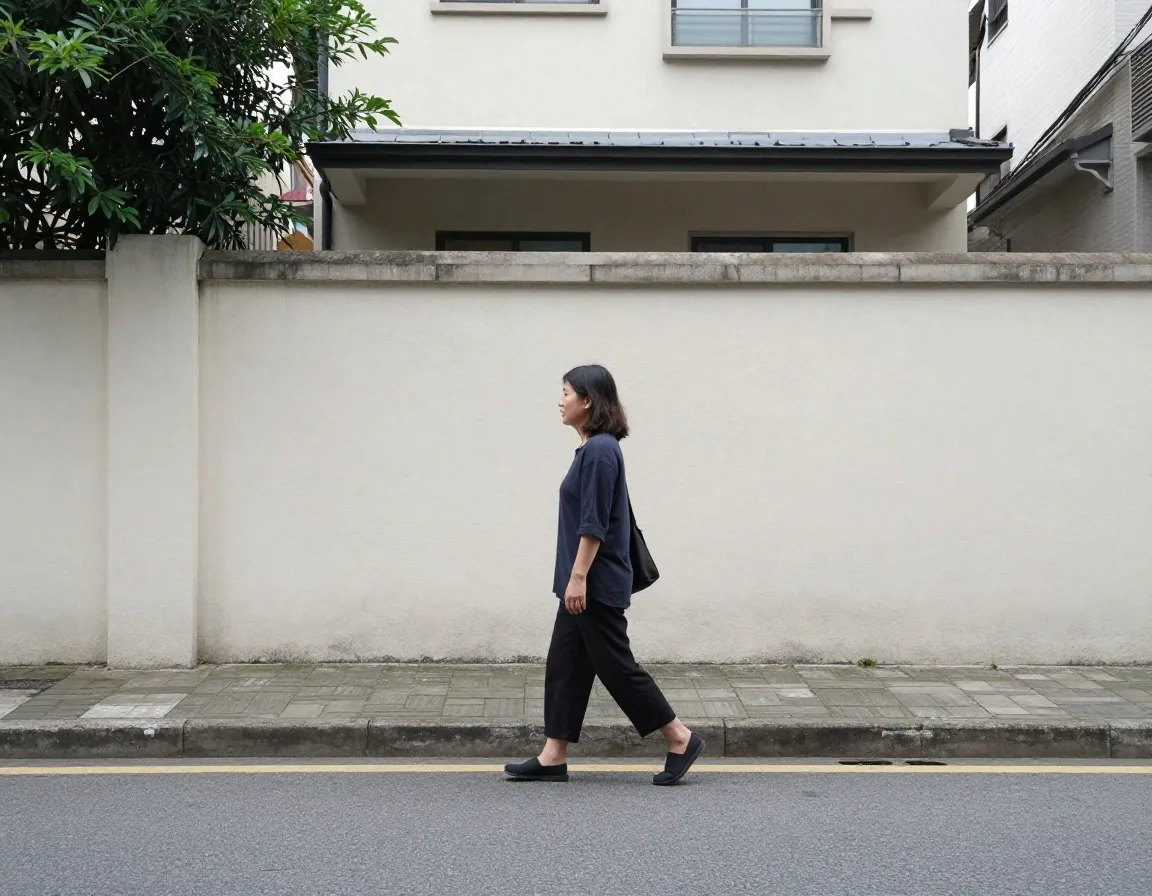
These are the entry points when motivation is low. Each is tiny on its own; repeated, they anchor bigger routines later.
Before coffee, before the phone. One glass, no routine to build around it.
Step outside or open the window. Morning light is the cheapest signal your body gets.
Put it on charge in another room. It takes ten seconds and removes the last thing you look at.
Set out oats, a bowl or a piece of fruit the night before. The morning decision gets smaller.
Stand and stretch between meetings is the fifth of these. It belongs to any day and it needs no preparation at all.

Some habits work better on a schedule: two strength sessions, one longer walk, a Sunday food shop, a weekly review of how the week went. These are the skeleton of a routine, and the daily habits hang from them.
Choose the days in advance if you can. A routine with a fixed day is far more likely to happen than one that waits for the right moment — and one carried-out session counts, even a short one.
Two strength sessions
Pick the two days that survive most weeks. Move them rather than skip them.
Fixed days
A weekly food shop
Buy for the meals you actually cook. Fewer decisions on the nights you get home late.
Same day each week
A five-minute weekly review
Which habit actually happened? Keep that one, drop the one that never did.
Weekend
Do not try to install ten habits at once. Choose one, decide when you will do it, and give it two weeks before adding another. If you miss a day, resume rather than restart.
The library is meant to be browsed often and used sparingly. Two habits kept for a year beat twenty started in January.
See how we check our guidanceThe one rule
Add one habit at a time. Everything else on this page is an option; that is the only instruction that really matters.
The habits here are general lifestyle suggestions for healthy adults. If you have a medical condition, are pregnant, or take regular medication, check with your doctor before changing routines.
Focus is usually about reducing interruptions rather than increasing willpower. These are small changes with an outsized effect on a working day.
The sleep section of the library focuses on the highest-value, lowest-effort changes: a consistent wake time, caffeine before noon, alcohol earlier or less, a dark and cool room, a short wind-down, and the phone out of reach.
You do not need all of them. Pick one, hold it for two weeks, then add the next. Consistency does the work — and if a week falls apart, going back to the same wake time is the fastest way to recover it.
One fixed wake time
Caffeine before noon
Alcohol earlier or less
Dark and cool room
Short wind-down before lights out
Phone charging out of reach
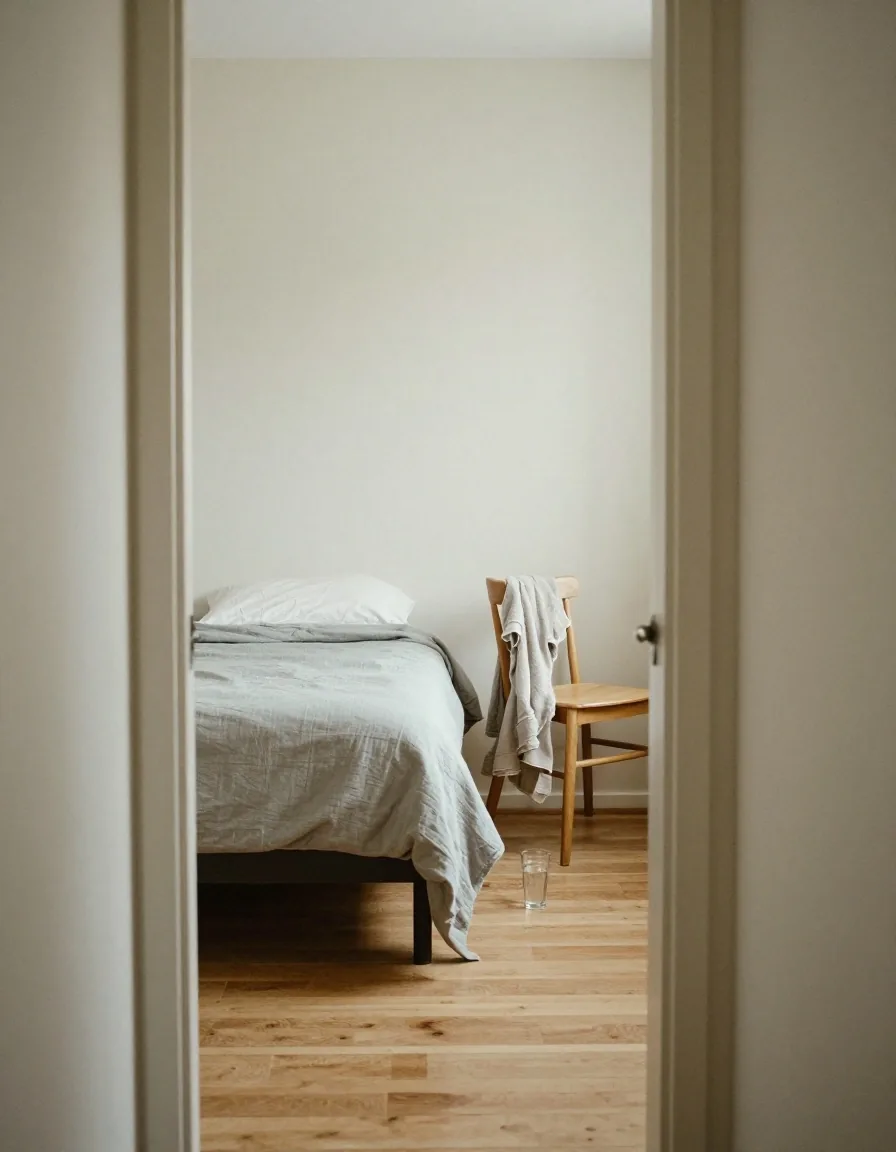
Most sleep changes are made in the room, not in your head. A cooler, darker space and one consistent wake time cover more ground than any supplement.
The same three questions come up most often. If yours is not here, the editorial team answers reader email on weekdays.
Read more reader questionsOne at a time works for most people. Add a second only once the first feels automatic — that usually takes about two weeks, sometimes longer.
Make it smaller or attach it to something you already do, like drinking water when you make coffee. If it still fails after two honest weeks, it may not fit your week — and that is useful information, not a failure.
They are general lifestyle suggestions for healthy adults. If you have a medical condition or are pregnant, check with your doctor before changing routines.
Habit notes are reviewed against current general guidance and rewritten when the advice changes. The library is educational and does not replace individual medical advice.
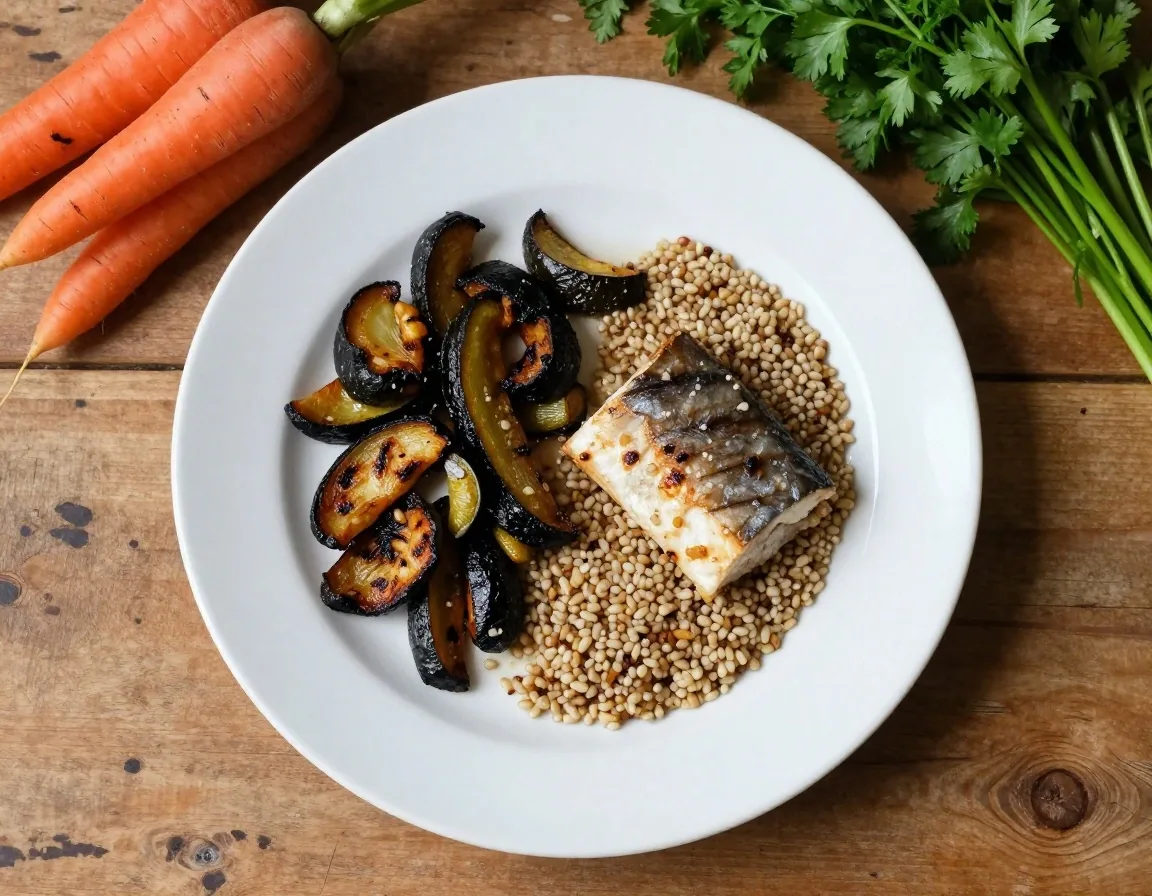
Nutrition
What a balanced plate actually looks like across a week, and which everyday swaps are worth the effort.
Open the nutrition guideMovement
A weekly shape that works around desk days and busy weeks, plus what to do when you only have ten minutes.
Read the movement guideSleep and stress
How a fixed wake time and a short wind-down fit together, and what to try when you have already tried the obvious.
Read the sleep and stress guideTell the editorial team what you are trying to change and what your week actually looks like. Reader questions shape which habits get explained in more detail next — no consultation, no programme, just a reply from the people who write the pages.